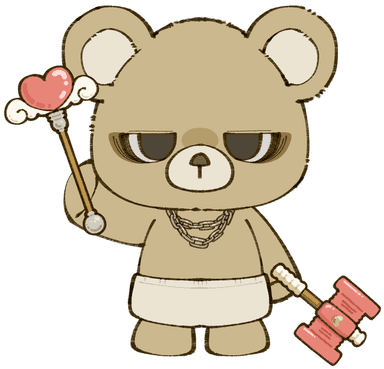
Basic result overview

Everyday relationship behavior

The signal is easiest to miss when a partner expects affection to arrive in a louder or faster form.

A useful conversation with Own-Path Bear is specific: name the event, the effect, and the request.

Abstract demands for more love leave too much room for incompatible interpretations.

  • Needs room to stay yourself, even in a relationship.
  • Opens up through ideas, interests, and one-on-one time.
  • Can look detached, but the extra attention is real.

How affection is communicated

Own-Path Bear tends to analyze conflict as a system.

  • Own-Path Bear is connected to the MBTI-style code INTP, but it should not be treated as an official MBTI assessment.
  • You make someone feel special by sharing your world and spending unforced time together.
  • Types that enjoy thoughtful conversation and a free sense of distance.

Conversation and reassurance

During repair, should prevent slow replies from being mistaken for low interest.

Frequently Asked Questions

What does Own-Path Bear (INTP) describe?

It describes a recurring relationship pattern in Kuma Love Lens 16, not a complete personality or clinical category.

How does Own-Path Bear show serious interest?

Look for consistent allocation of attention, time, and follow-through rather than one dramatic gesture.